Click to hide Figure 1.
Click to hide Figure 2.
Click to hide Figure 3.
Click to hide Figure 4.
Click to hide Figure 5.
Click to hide Figure 6.
Example - WAG as a Stimulation/Remediation Method
This example is for Water-Alternating-Gas (WAG) injection. The objective of this case analysis is to indicate the potential effectiveness of WAG as an injection enhancement technique. The reservoir is a low permeable layered reservoir. The best sandstones in the lower part of the reservoir have a permeability of about 100 to 300 md, the silty sand in the upper part of the reservoir have a permeability of 10 to 20 md. There are also several thin thief zones with permeabilities on the order of several darcies. The total reservoir thickness varies from 30 to 40 meters (100 to 120 feet).
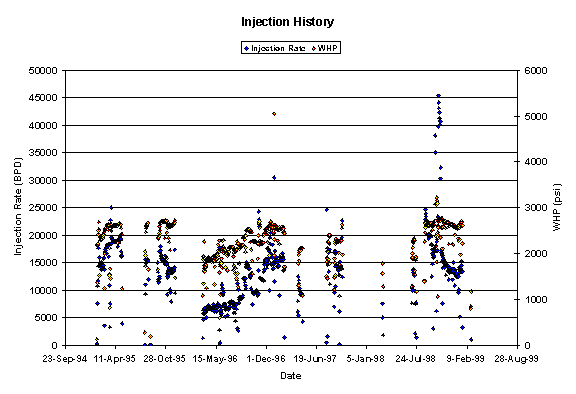
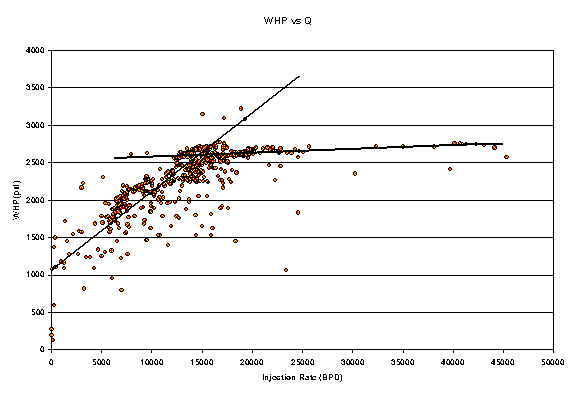
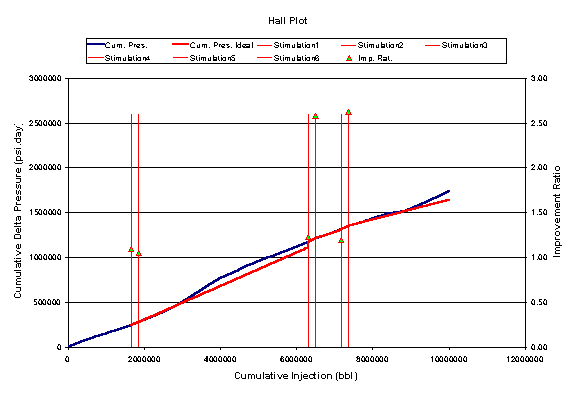
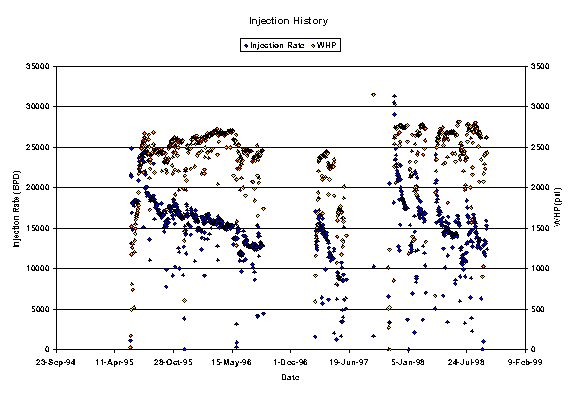
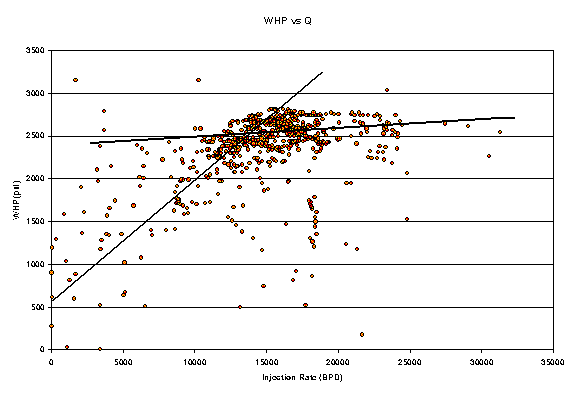
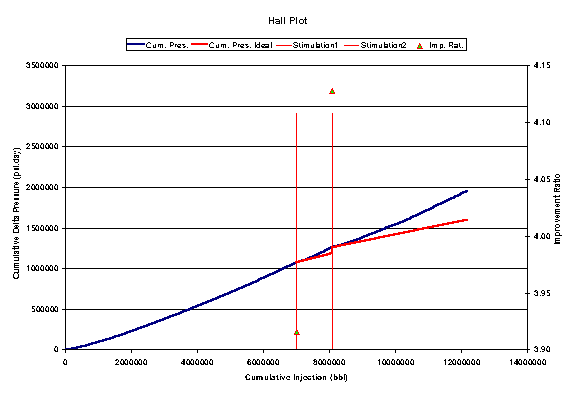
Figure 1 shows the injection rate and wellhead pressure as a function of time for Well A. Figure 2 shows the wellhead injection pressure versus the injection rate. Sandface pressure could not be calculated since the well completion information was not available. Figure 2 indicates that the injector may be fractured. Figure 3 is the Hall plot. Injectivity improvement from the WAGs varies from 20% to over 100%. Figures 4 through Figure 6 show similar results for Well B. Analyses were also performed for two more wells and initial injectivity improvements from WAGs are from about 20% to over 300%.
| View Figure 1: | Injection Pressure and Rate versus Time |
|
|
|
| View Figure 2: | Wellhead pressure versus injection rate for Well A. The plot indicates that injector may be fractured. |
|
|
|
| View Figure 3: | Hall plot for well A. Injectivity improvement from WAGs varies from very little to over 100%. |
|
|
|
| View Figure 4: | Wellhead injection pressure as a function time for well B. |
|
|
|
| View Figure 5: | Wellhead injection pressure versus injection rate for Well B. |
|
|
|
| View Figure 6: | Hall plot for Well B. Injectivity improvements from WAGs are about 300% for this well. |
|
|
|